Why Tyre Pressure Matters on Sand, Mud and Rocky Tracks
Tyre pressure affects traction, vehicle control and tyre durability. Correct pressures improve grip and reduce the risk of getting stuck or damaging tyres.
How does tyre pressure change performance on different terrain?
Lower pressures increase the tyre footprint, helping tyres grip soft sand, mud and uneven rocks more effectively.
Can incorrect tyre pressure damage your vehicle?
Yes. Incorrect pressures can increase tyre wear, reduce traction and place extra strain on suspension and steering components.
Why Tyre Pressure Is One of the Most Important Off-Road Adjustments
Many 4WD drivers focus heavily on accessories and recovery gear, but tyre pressure often has the biggest impact on off-road performance. Adjusting tyre pressure changes how the tyres interact with the terrain. It improves traction, ride comfort and vehicle control across a range of conditions. Understanding how pressure affects different surfaces helps drivers travel more safely and efficiently.
How Tyre Pressure Affects Traction
Tyres support the entire weight of the vehicle, and their contact with the ground determines how much grip is available. Lower tyre pressures allow the tyre to spread out, creating a larger footprint. This increased surface area improves traction and reduces the likelihood of tyres digging into soft terrain. Higher pressures reduce the footprint, which can be useful on sealed roads but less effective off-road.
Sand Driving and Tyre Pressure
Sand is one of the clearest examples of why tyre pressure matters. High tyre pressures cause the tyres to sink more easily because the vehicle’s weight is concentrated into a smaller area. Lowering pressures helps the vehicle float across the surface rather than digging in. This improves momentum and reduces the chance of getting bogged. Correct sand pressures also create a smoother ride over uneven beach and dune surfaces. For more detailed guidance on adjusting pressures for different surfaces, see Best Tyre Pressure for Different Off-Road Terrains.
Mud Driving and Tyre Pressure
Mud presents different challenges. Traction is often inconsistent, and tyres need to maintain grip without spinning excessively. Lower tyre pressures help tyres conform to uneven surfaces and improve grip in slippery conditions. This increases the chance of maintaining forward movement without excessive wheel spin. Controlled pressures also help reduce sudden impacts when crossing ruts or hidden obstacles.
Rocky Tracks and Tyre Flex
Rocky terrain places significant stress on tyres and suspension. Lower tyre pressures allow tyres to flex around rocks rather than bouncing over them. This flexibility improves traction and reduces harsh impacts. It also helps protect tyres and suspension components from excessive shock loads. However, pressures should still remain high enough to avoid tyre damage from sharp rocks or excessive sidewall flex.
Ride Comfort and Vehicle Control
Tyre pressure also influences ride quality. Lower pressures absorb bumps and corrugations more effectively, making the vehicle feel more stable and comfortable. This improved compliance reduces driver fatigue on long off-road trips and places less stress on vehicle components. A smoother ride often translates to better vehicle control.
Risks of Incorrect Tyre Pressure
Running incorrect pressures can create serious problems. Pressures that are too high reduce traction and increase the likelihood of getting stuck. Pressures that are too low for the conditions can lead to excessive heat, tyre damage or the tyre coming off the rim. Understanding the right balance for each terrain type is essential.
Why Tyre Pressure Changes with Terrain
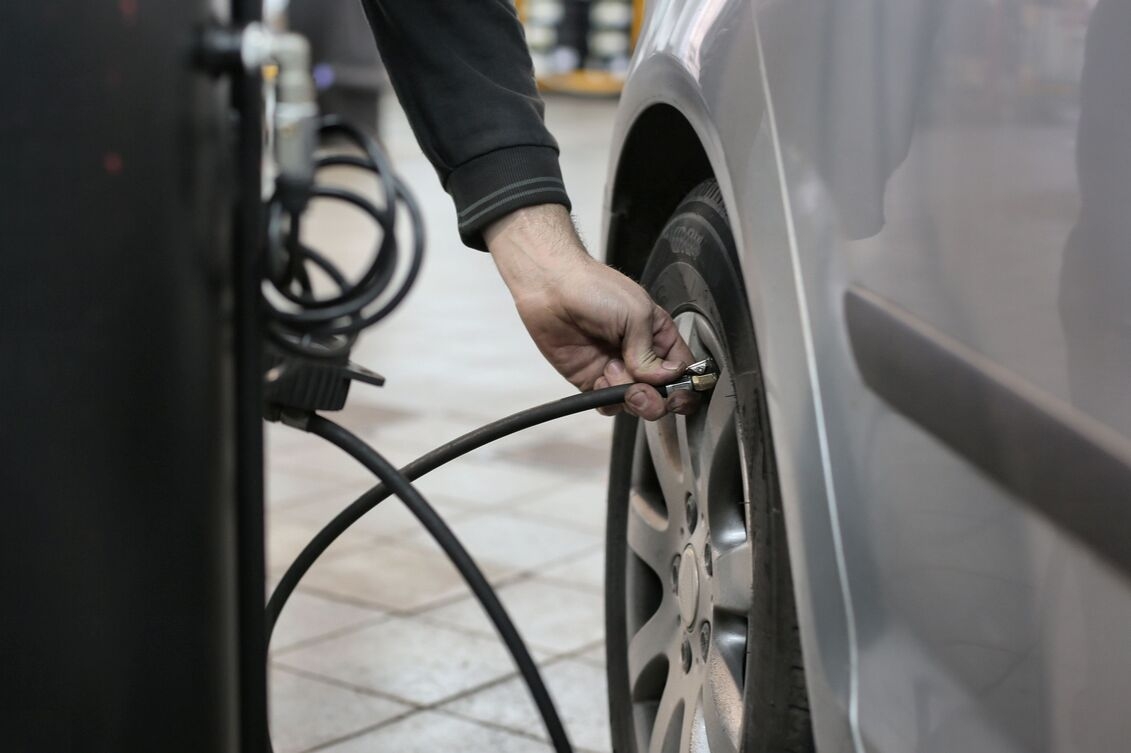
No single tyre pressure suits every situation. Conditions constantly change during off-road travel, so drivers should be prepared to adjust pressures as needed. Carrying a tyre gauge and portable compressor makes it easier to adapt to different terrain safely. This flexibility improves both performance and tyre longevity. Carrying the right recovery and inflation equipment becomes even more important when travelling remotely, especially alongside the tips covered in Safety Checklist for Every 4WD Adventure.
Protecting Tyres and Vehicle Components
Correct tyre pressures reduce unnecessary strain on tyres, suspension and steering systems. They help distribute load more evenly and minimise harsh impacts. Over time, this improves reliability and reduces wear on key components.
Learning Through Experience
Tyre pressure adjustment becomes easier with experience. Drivers gradually learn how their vehicle responds on different terrain and under different loads. Starting with moderate adjustments and observing performance helps build confidence and understanding.
Tyre pressure plays a major role in how a 4WD performs on sand, mud and rocky tracks. Correct pressures improve traction, comfort and control while reducing the risk of damage and bogging. For Aussie off-road drivers, learning how and when to adjust tyre pressures is one of the most valuable skills for safer and more capable touring.