
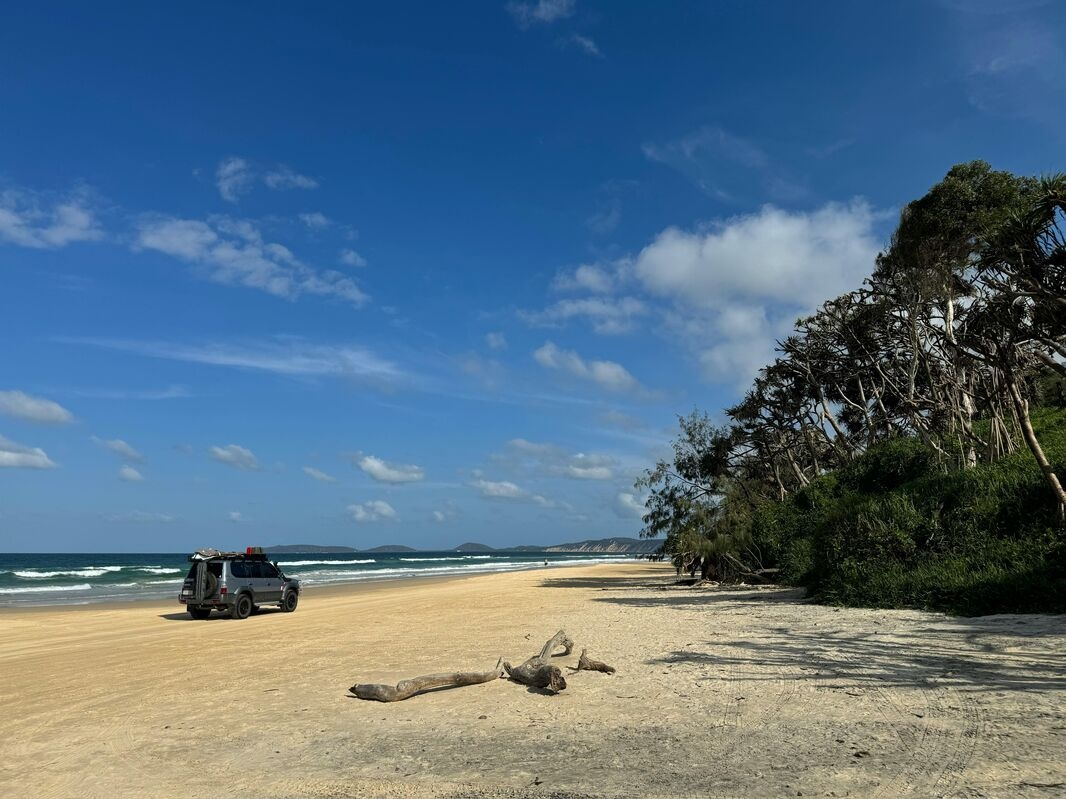
Touring Australia in Summer How to Protect Your Gear from Extreme Heat
Extreme heat can damage batteries, electronics, food supplies and recovery equipment. High temperatures also place extra stress on fridges, tyres and vehicle systems.
How do you protect gear during summer touring?
Keep equipment shaded, improve airflow, manage power systems carefully and store heat-sensitive items properly. Regular checks also help prevent heat-related failures.
What gear is most affected by Australian summer conditions?
Batteries, fridges, electronics, tyres and food storage systems are most affected. These items require extra attention during hot-weather touring.
Why Summer Touring Requires Extra Preparation
Australia’s summer conditions can be harsh on both vehicles and equipment. Long days, high temperatures and remote environments create additional stress that many touring setups are not fully prepared for. Heat affects more than comfort. It can shorten battery life, reduce fridge efficiency and damage sensitive gear if not managed properly. Preparing for these conditions helps keep your setup reliable throughout the trip.
Batteries and Electrical Systems
Heat is one of the biggest enemies of batteries and electrical components. High temperatures can reduce battery efficiency and increase wear over time. Keeping batteries ventilated and avoiding unnecessary heat buildup helps maintain performance. Electrical systems should also be checked regularly for signs of overheating or excessive load. Managing power usage carefully becomes even more important in hot conditions. Understanding proper off-grid power management is especially important during summer touring, particularly when using 12V power systems for fridges, lights and accessories.
Protecting Fridges and Food Storage
Portable fridges work harder during summer, especially when exposed to direct sunlight. This increases power consumption and places additional strain on the cooling system. Positioning fridges in shaded or ventilated areas helps improve efficiency. Keeping lids closed as much as possible also reduces workload and conserves power. Proper food storage is essential to prevent spoilage during extended trips.
Tyre Care in Hot Conditions
Tyres generate additional heat during long-distance travel, particularly on highways and hot tracks. Incorrect tyre pressures can increase this heat buildup and raise the risk of damage. Checking pressures regularly and adjusting them for load and terrain helps maintain safe operating temperatures. Inspecting tyres for wear and damage throughout the trip is also important.
Protecting Recovery Gear and Plastics
Recovery gear and plastic equipment can degrade when exposed to prolonged sunlight and extreme heat. Straps, traction boards and storage containers all benefit from proper storage when not in use. Keeping gear covered or stored inside reduces exposure and helps extend its lifespan.
Managing Canopy and Storage Temperatures
Canopies and storage systems can become extremely hot during summer. Enclosed spaces trap heat, which can affect electronics, food and other sensitive items. Improving airflow and avoiding unnecessary heat buildup helps protect stored gear. Opening storage areas when safe to do so can assist with ventilation. Proper storage protection is also important for reducing environmental exposure, especially when preventing dust ingress in canopies and storage systems during remote touring.
Water Storage and Hydration
High temperatures increase the importance of reliable water storage. Ensuring water supplies are protected from direct sunlight helps maintain cooler temperatures and reduces the risk of overheating. Carrying sufficient water is essential for both safety and comfort during summer touring.
Shade and Camp Setup
Where you park and set up camp can make a major difference. Shade reduces heat exposure for both your vehicle and equipment. Using awnings or selecting shaded campsites helps lower temperatures inside the vehicle and improves overall comfort. Simple positioning choices can significantly reduce heat-related stress on gear.
Monitoring Your Vehicle
Summer touring places additional strain on engines, cooling systems and drivetrains. Monitoring temperatures and checking fluids regularly helps identify problems early. Stopping to inspect the vehicle during long drives is a good habit in extreme conditions. Preventative checks reduce the risk of breakdowns in remote areas.
Preparation Matters Most
Extreme heat affects nearly every part of a touring setup. Without preparation, small issues can quickly become larger problems. By managing heat exposure and maintaining your equipment, you improve reliability and extend the life of your gear. Prepared setups handle harsh conditions more effectively and make summer trips safer and more enjoyable.
Touring Australia in summer requires more than just planning a route. Protecting your gear from extreme heat is essential for maintaining safety, comfort and reliability. From batteries and fridges to tyres and recovery equipment, every part of your setup benefits from proper heat management. For Aussie 4WDers travelling during the hotter months, preparation is the key to successful touring.