How to Properly Clean and Maintain Your 4WD After a Muddy Trip
There’s nothing like a muddy 4WD trip to stir the soul. Whether you’ve been bog-hopping in the bush or crossing a few cheeky creek beds, your rig probably looks like it’s been through the wars, and that’s exactly how we like it. But when the fun’s done, it’s time to show your 4WD a bit of TLC. Letting mud, grime, and grit sit on your vehicle doesn’t just look rough, it can cause serious damage over time. From clogged radiators to rusted underbodies, post-trip neglect can cost you big. So here’s how to properly clean and maintain your 4WD after a muddy off-road mission.
Start With a Thorough Rinse
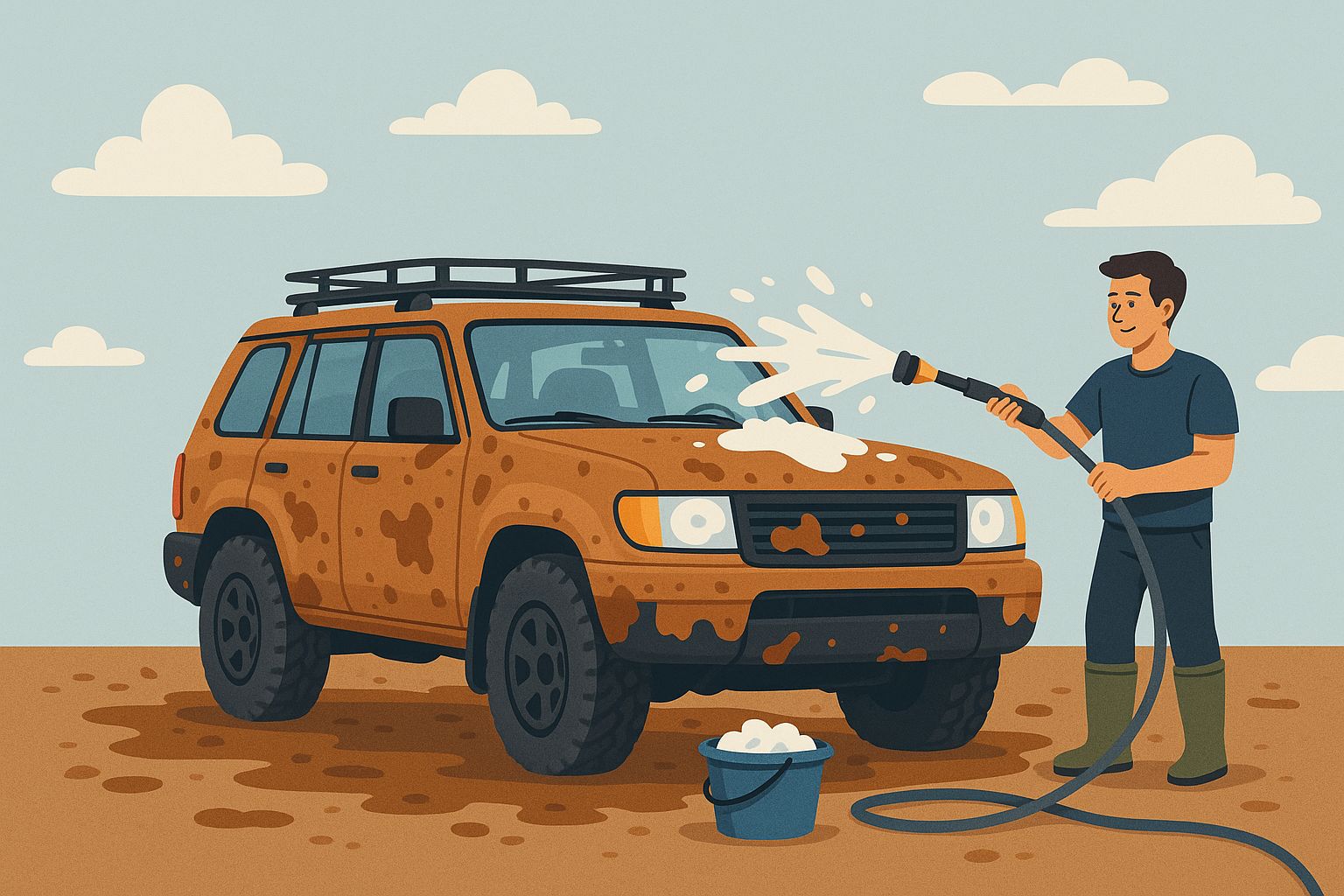
The longer mud sits, the harder it sticks, especially if it dries in the sun. As soon as you can after the trip, grab the garden hose or head to a pressure wash bay. Start by rinsing from the top down, loosening up any big chunks.
Pay special attention to the wheel arches, underbody, side steps, and behind the bumpers, anywhere mud likes to hide. A high-pressure nozzle works a treat, but don’t blast directly into electricals or sensors.
Underbody Cleaning is Non-Negotiable
The underside of your 4WD cops it the worst. Mud, sand, and clay can build up around your suspension, driveshafts, and diff housings, holding moisture and kicking off corrosion. If you’ve got a hose with an underbody wand or attachment, now’s the time to use it.
Look out for mud sitting on skid plates, bash guards, crossmembers, and control arms. If you’ve fitted diff breathers or underbody protection, double-check there’s no mud jammed in or around them.
Check and Clean Radiators, Intercoolers and Grilles
Caked-on mud can block airflow through your radiator, which leads to overheating, especially when towing or working your engine hard. Use a gentle spray to rinse mud out of the radiator fins, intercoolers and grille area. Don’t go in with a pressure washer up close, as that can bend fins or damage seals.
Wash With 4WD-Safe Shampoo
Once the heavy stuff is rinsed off, give your vehicle a proper wash using a pH-neutral car shampoo. Avoid dishwashing liquids, they’ll strip wax and protective coatings. Use a microfibre mitt and work in sections to avoid streaking or swirl marks.
Don’t forget to wash your recovery gear and accessories, things like shackles, max tracks, jerry can holders, and your towbar can all get caked in muck.
Inspect and Clean the Cabin
Muddy boots, sandy feet and wet gear can take a toll on your interior. Pull out your floor mats and give them a shake or hose off. Vacuum out the carpet and check for any signs of water ingress, especially if you tackled river crossings or flooded tracks.
Wipe down your dash and door trims, and air out the cabin to prevent musty smells.
Dry Properly to Avoid Rust
Drying your 4WD properly is just as important as washing it. Use a clean microfibre towel or chamois to dry painted surfaces. If you’ve got access to compressed air or a leaf blower, use it to blow water out of hard-to-reach places like mirrors, door seals, and nooks in your tray or canopy.
Leaving water to sit in crevices (especially if there’s still some mud) is a recipe for rust.
Check and Re-Grease Key Components
After a heavy-duty washdown, some grease points might need a top-up, especially if you used a pressure washer underneath. Check:
- Tailshaft and universal joints
- Wheel bearings (especially on trailers)
- Suspension bushes and mounts
If your vehicle has aftermarket suspension or driveline components, refer to the manufacturer’s maintenance schedule.
Inspect for Damage or Wear
A clean 4WD makes it easier to spot issues. While you’re cleaning, keep an eye out for:
- Bent underbody protection
- Cracked hoses or wiring
- Loose bolts or brackets
- Missing fasteners or clips
- Fluid leaks (look for fresh oil or coolant drips)
If anything looks off, now’s the time to fix it before your next trip.
Apply Protective Products
Once your 4WD is clean and dry, consider adding some protective layers. A good quality wax or ceramic spray will help prevent mud from sticking next time. You can also apply underbody rust inhibitors like Lanolin spray to give your chassis and components extra defence, especially if you’ve been near saltwater or coastal tracks.
Restock and Reset for the Next Adventure
Take this chance to restock your recovery kit, first-aid supplies, and any consumables you used. Repack your drawers, refill the water jerry, and take note of anything you wish you’d had last trip.
Your future self will thank you.
Ready for the Next Trip?
Keeping your 4WD in top nick after a muddy run doesn’t take much, just a bit of time, the right gear, and some know-how. At ORE Off Road Equipment, we’ve got everything you need to prep and protect your 4WD, from recovery gear to roof racks, drawer systems, and other touring accessories.