
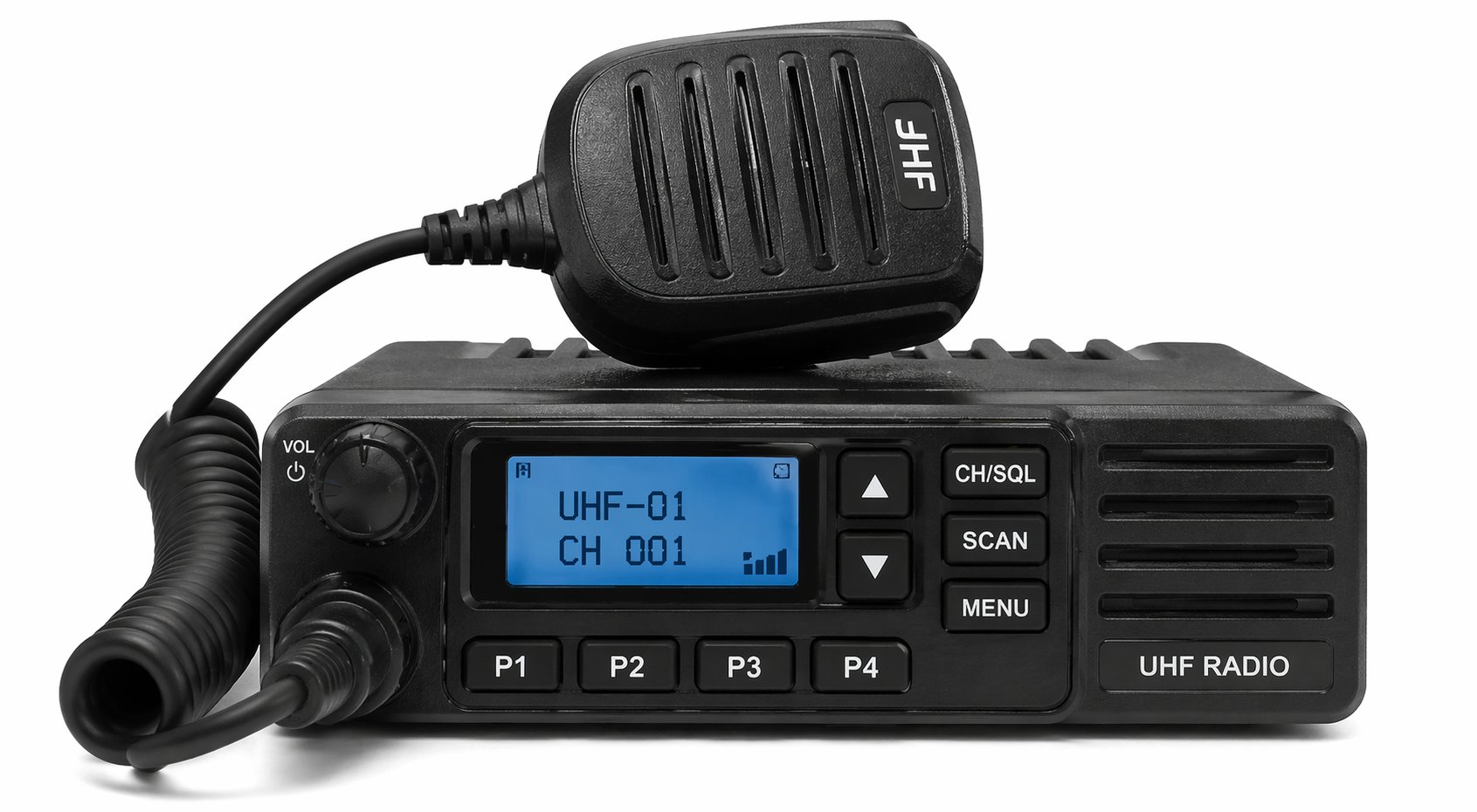
How to Choose the Right UHF Radio for Remote Communication
A UHF radio is used for short-range communication between vehicles and other road users. It allows drivers to share information, coordinate movements and improve safety in remote areas.
What should you look for in a UHF radio?
Look for range, ease of use, durability and compatibility with your vehicle setup. A reliable unit should perform well in harsh conditions and provide clear communication.
Do you need a UHF radio for remote touring?
Yes. UHF radios are essential for convoy travel and remote tracks where mobile reception is unavailable. They improve communication and overall safety.
Why UHF Radios Are Essential for Remote Travel
When travelling off-road in Australia, mobile coverage can be unreliable or completely unavailable. In these situations, a UHF radio becomes one of the most important communication tools in your vehicle. It allows you to stay in contact with other drivers, warn of hazards and coordinate movements, especially in convoy situations or on narrow tracks.
Fixed vs Handheld UHF Radios
There are two main types of UHF radios: fixed units and handheld units. Fixed radios are installed in the vehicle and typically offer a stronger signal and better range. They are ideal for regular touring and convoy travel. Handheld radios are portable and easy to use. They are useful as backup units or for short-range communication outside the vehicle, such as during recoveries. Choosing between the two depends on how often you travel and how you plan to use the radio.
Understanding Range and Performance
UHF radios are designed for line-of-sight communication. This means range can vary depending on terrain, obstacles and antenna setup. Flat, open areas allow for greater range, while hills, trees and buildings can reduce signal strength. Choosing a reliable unit with consistent performance is more important than focusing on maximum advertised range.
The Importance of a Quality Antenna
The antenna plays a major role in how well your UHF radio performs. A good antenna improves signal strength and clarity, especially over longer distances. Mounting location also matters. Antennas mounted higher on the vehicle generally provide better coverage. Selecting the right antenna for your driving environment helps maximise communication reliability.
Ease of Use and Practical Features
A UHF radio should be simple to operate while driving. Clear controls, readable displays and straightforward channel selection all improve usability. Features such as scanning channels, noise reduction and hands-free operation can make communication easier and safer on the road. Choosing a user-friendly unit ensures it can be used effectively when needed.
Durability for Off-Road Conditions
Off-road equipment environments expose equipment to dust, vibration and temperature changes. A durable UHF radio is built to handle these conditions without failing. Reliable construction and quality components help ensure consistent performance over long trips and rough terrain.
Installation and Setup Considerations
Fixed UHF radios require proper installation to perform effectively. This includes secure mounting, correct wiring and antenna placement. A well-installed system improves both reliability and ease of use. Taking the time to set it up correctly makes a noticeable difference during trips.
When a Handheld Radio Is Useful
Even if you run a fixed unit, a handheld radio can be a valuable addition. It allows communication outside the vehicle during recoveries or when guiding another driver. Having both options provides flexibility in different situations.
Building a Reliable Communication Setup
A good UHF setup combines a reliable radio, quality antenna and proper installation. Together, these elements provide consistent communication when it matters most. For remote touring, this setup becomes a key part of your safety equipment.
Choosing the right UHF radio is about more than just picking a unit. It involves understanding how communication works in off-road environments and selecting equipment that suits your needs. For Aussie 4WDers exploring remote tracks, a reliable UHF radio improves safety, coordination and confidence on every trip.