First-Aid Kit Maintenance: When to Refresh, Replace and Pack Smart
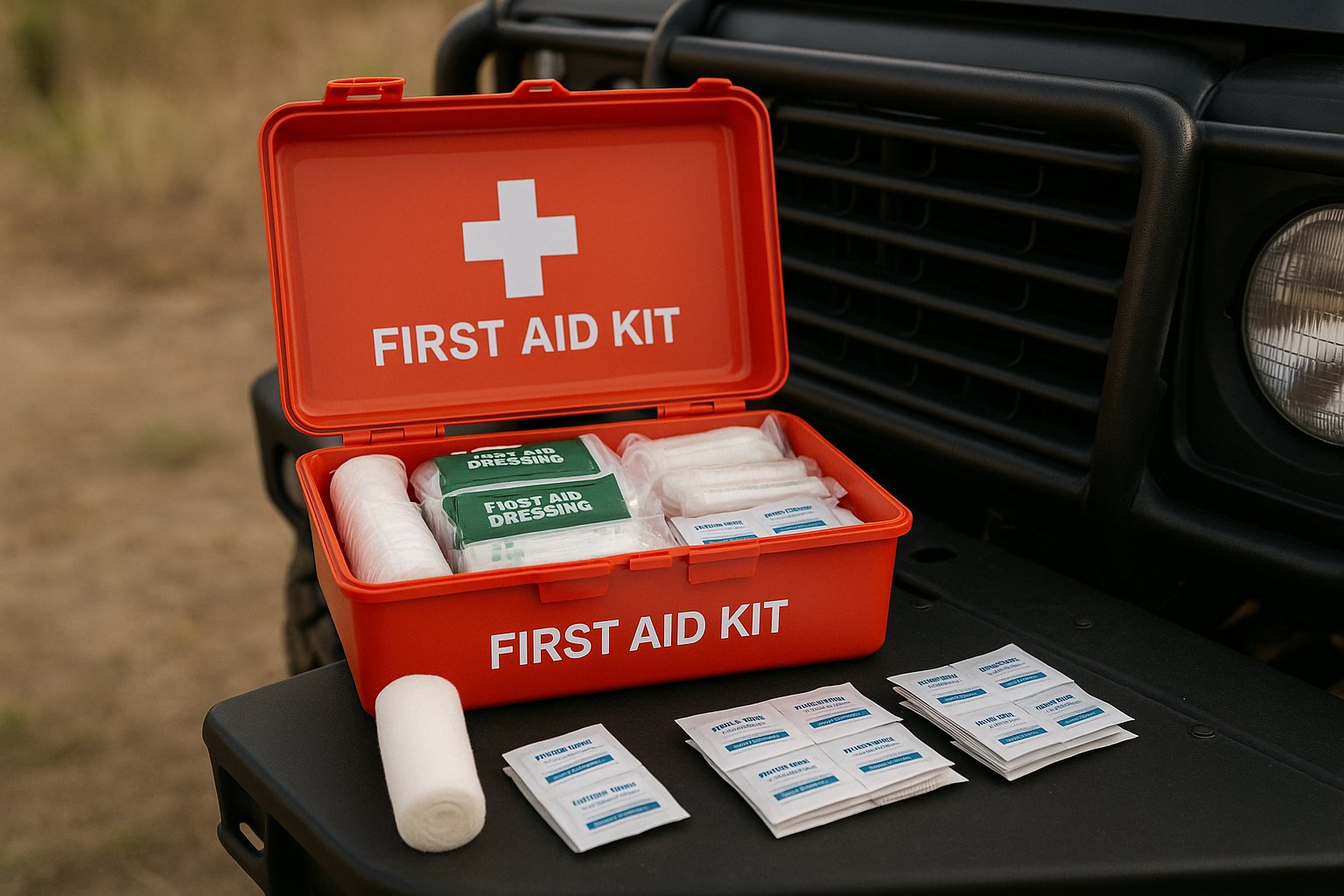
If you love exploring Australia’s great outdoors, you already know that a well-stocked first-aid kit is essential gear, right up there with your recovery kit, tyre compressor, and UHF radio. But when was the last time you actually checked what’s inside it? Just like your 4WD, your first-aid kit needs a bit of regular maintenance to stay reliable. Expired bandages, missing items, or dried-out antiseptic wipes won’t do much good when something goes wrong out bush.
Why First-Aid Kit Maintenance Matters
When you’re hours from the nearest town or medical help, your first-aid kit becomes your lifeline. A well-maintained kit can help treat injuries, prevent infection, and even save lives. Neglect it, and you might find yourself with missing essentials or expired gear when you need them most.
When to Refresh and Replace
After Every Trip
Once you’re home, open your kit and check what you’ve used. Replace any items you’ve used, even if they seem minor, like plasters, antiseptic wipes, or saline. It’s easy to forget after a few trips, and suddenly your “fully stocked” kit is half-empty.
Every Six Months
Set a reminder to do a full inspection twice a year. Check expiry dates, seals, and packaging. Heat, humidity, and vibration can damage adhesives and cause ointments or creams to deteriorate faster.
After Long or Remote Trips
If you’ve done a long haul, say the Gibb River Road, Cape York, or the Simpson Desert, your kit’s likely copped a bit of dust and movement. Give it a clean, check for splits in packaging, and restock anything you used along the way.
What to Look For When Checking Your Kit
Here’s a quick checklist for maintaining your first-aid kit:
- Check expiry dates on creams, antiseptics, and medications.
- Replace single-use items like gloves, wipes, and bandages.
- Clean the bag or case — dust and moisture can ruin supplies.
- Ensure tools still work — scissors sharp, tweezers aligned, torch batteries charged.
- Review your contents list — make sure it still suits your type of travel.
Packing Smart for Off-Road Adventures
Your standard home or workplace first-aid kit might not cut it in the bush. Here’s how to make yours adventure-ready:
Add Off-Road Essentials:
- Snake bite bandage with indicator lines
- Instant cold packs
- Burn gel
- Sterile saline ampoules
- Extra adhesive strips (you’ll use plenty!)
- Emergency blanket
- Small torch or headlamp
- Waterproof tape
Pack for Your Crew:
If you’re travelling with kids, older passengers, or pets, adjust your kit to suit. Add any personal medications and make sure they’re stored properly.
Organise for Speed:
Separate sections for cuts, burns, bites, and emergencies help you find things fast under pressure. Labelled pouches or colour-coded sections are a big help when time matters.
When It’s Time to Upgrade
If your kit’s case is cracked, zippers are broken, or items keep falling out, it might be time for a new one. Your first-aid kit is one of the smallest but most important pieces of safety gear you’ll carry. A few minutes of maintenance could make a massive difference when something unexpected happens miles from help. So before your next adventure, check your kit, replace what’s missing, and pack smart with Off Road Equipment’s quality safety gear.