Bull Bars Explained Protection, Safety and Practicality
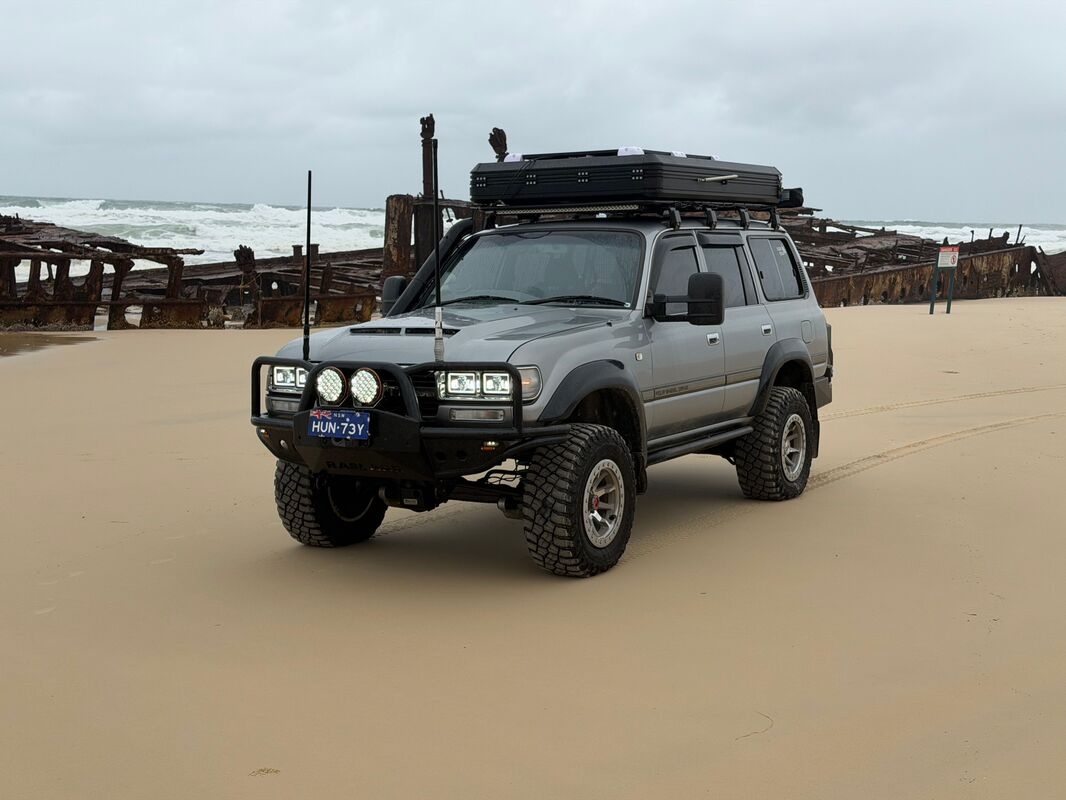
A bull bar protects the front of a vehicle from impacts, animal strikes and off-road hazards. It also provides mounting points for accessories such as lights, antennas and winches.
Do bull bars improve off-road safety?
Yes. Bull bars help reduce damage to critical front-end components and improve vehicle protection in remote touring conditions.
Why are bull bars popular for Australian touring?
Bull bars are popular because Australian touring often involves wildlife, rough terrain and remote travel where vehicle protection is important.
Why Bull Bars Matter in Australia
Australian touring conditions can be harsh on vehicles. Long distances, remote tracks and the risk of animal strikes make front-end protection an important consideration for many 4WD owners. Bull bars are designed to improve durability and provide an added layer of protection when travelling off-road or through regional areas. For many touring setups, they are one of the first upgrades installed.
What a Bull Bar Actually Protects
The front of a vehicle contains many important components, including headlights, radiators and cooling systems. Damage to these areas can quickly end a trip, especially in remote locations. A bull bar helps shield these components from impacts caused by wildlife, branches or uneven terrain. While it cannot prevent all damage, it significantly improves protection compared to a standard front bumper.
Protection During Animal Strikes
Animal strikes are a common concern in regional and remote Australia. Kangaroos and other wildlife can appear suddenly, particularly at dawn and dusk. Bull bars help absorb and distribute impact forces, reducing the likelihood of severe front-end damage. This can improve vehicle survivability and reduce the chance of becoming stranded far from assistance.
Off-Road Practicality
Bull bars are not only about impact protection. They also improve practicality by providing secure mounting points for touring accessories. Driving lights, antennas and recovery equipment can all be integrated into the setup. Many bull bars are also designed to support winch installations, making them useful for recovery-focused vehicles. This added functionality is one reason they are so popular among touring enthusiasts. Many touring setups pair bull bars with recovery equipment, especially for remote travel, similar to the advice covered in How to Choose the Best Winch for Your Off-Road Plans.
Improving Vehicle Capability
A properly designed bull bar supports off-road capability by improving approach angles and protecting vulnerable areas during rough driving. Tracks with rocks, washouts or uneven terrain can easily damage standard bumpers. Bull bars provide additional confidence when navigating these conditions.
Steel vs Lightweight Designs
Bull bars come in different styles and materials. Steel designs generally offer greater strength and durability, making them popular for serious touring and remote travel. Lighter designs focus on reducing added weight while still providing useful protection and accessory mounting options. The right choice depends on how the vehicle is used and what level of protection is required.
Weight and Suspension Considerations
Adding a bull bar increases weight at the front of the vehicle. This can affect suspension performance and handling if not managed correctly. Some setups may require suspension upgrades to maintain proper ride height and vehicle balance. Understanding how accessories affect overall vehicle load is important for safe touring. Adding front-end protection and accessories can affect handling, which is why understanding Suspension Upgrades Explained: When Does Your 4WD Actually Need One? is important for balanced touring setups.
Safety and Airbag Compatibility
Modern bull bars are designed to work with vehicle safety systems, including airbags. Properly engineered bars are built to maintain compatibility with these systems during impacts. Choosing quality products designed specifically for the vehicle helps ensure safe operation.
Everyday Benefits Beyond Off-Roading
While bull bars are popular for touring, they also offer practical benefits during everyday driving. Added protection can reduce minor damage from low-speed impacts or obstacles. For drivers regularly travelling regional roads, this added durability provides peace of mind.
Common Mistakes to Avoid
One common mistake is choosing a bull bar based only on appearance rather than functionality. Protection, compatibility and build quality should always be prioritised. Another mistake is ignoring weight implications. Adding front-end accessories without considering suspension and vehicle balance can affect performance. Planning the setup properly helps avoid these issues.
Choosing the Right Bull Bar for Your Needs
Different touring styles require different levels of protection and functionality. Some drivers prioritise lightweight setups, while others need maximum durability for remote touring. Understanding your travel conditions and accessory requirements helps determine the best option.
Bull bars play an important role in 4WD protection, safety and practicality. They help shield critical vehicle components, improve off-road capability and provide mounting options for essential touring accessories.