How to Pack Your 4WD for Maximum Storage and Safety
Heading off on a 4WD adventure? Whether you’re tackling corrugated outback tracks or heading down to your favourite beach campsite, how you pack your rig makes a massive difference. Poor weight distribution, loose gear, and inefficient use of space can all turn your trip from a dream into a disaster.
Start With a Plan (And a Packing List)
Before you even open the tailgate, have a clear idea of what’s going with you. Write up a checklist of essentials: recovery gear, spare parts, food, water, camping gear, tools, and personal items. Divide your list into categories like “daily use”, “emergency only”, and “occasional access”. This will help you plan what needs to be easily reachable versus what can be buried deeper.
Top tip: Lay everything out on the floor before loading it into your vehicle. It’ll help you spot any double-ups and keep things streamlined.
Use Roof Racks and Platforms Wisely
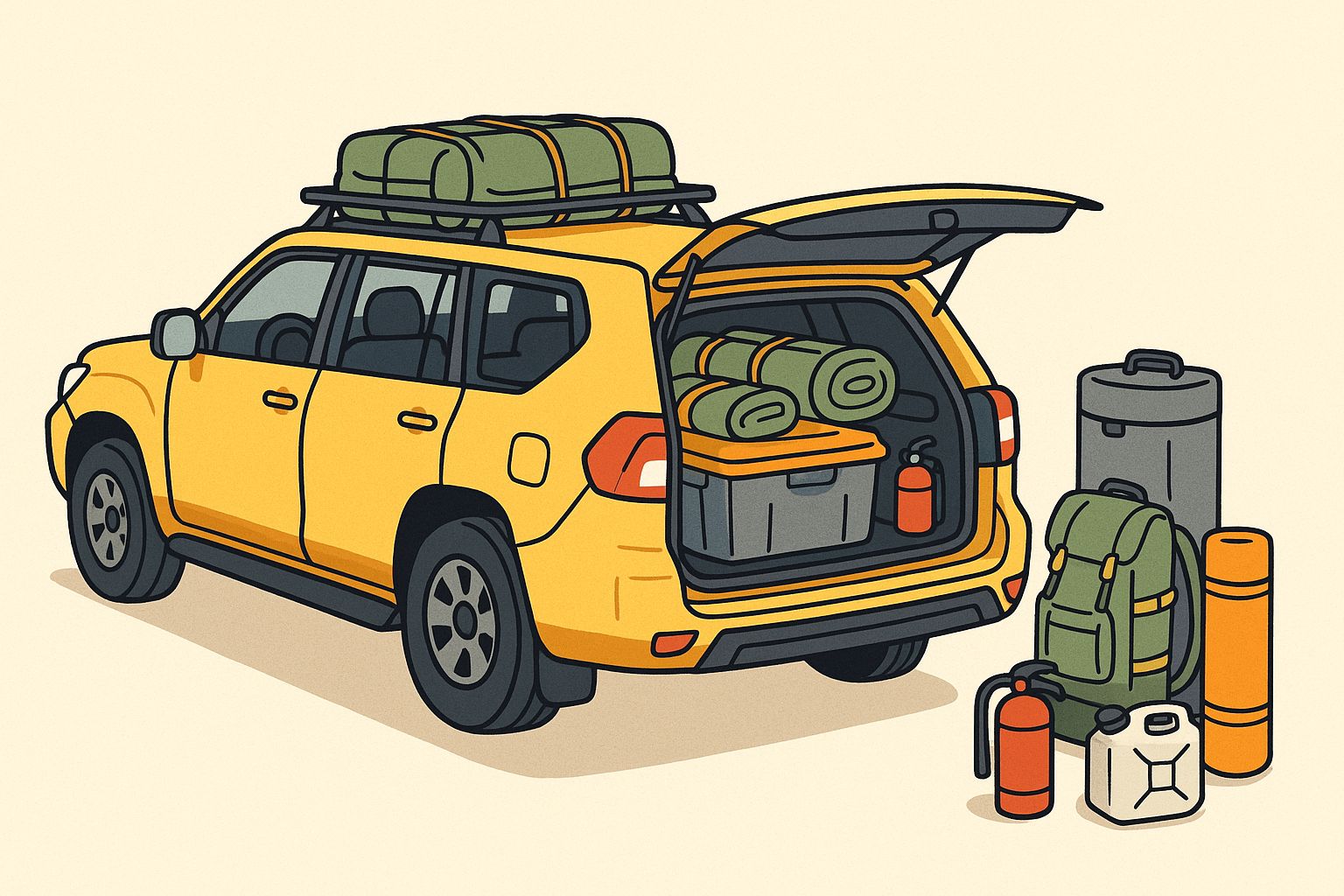
Roof racks and roof platforms are great for bulky, lightweight gear like swags, jerry cans (when mounted properly), and recovery boards. But keep in mind, everything up top affects your vehicle’s centre of gravity. Keep the heavier gear down low, and save the roof for lighter or weatherproof items.
Need extra flexibility? ARB Bed Racks are a great addition for dual-cab utes, allowing for rooftop tents, extra cargo, and modular setups that suit touring or tradie life.
Weight Distribution is Key
Always load the heaviest items as low and as close to the centre of the vehicle as possible. That means things like your toolbox, water containers, spares, and batteries should be near the floor, ideally just in front of the rear axle.
Bad weight distribution doesn’t just make your ride feel sluggish, it can also increase your risk of rollovers, affect your suspension, and put stress on your drivetrain.
Use Storage Drawers and Cargo Barriers
Drawer systems are a 4WD game-changer. They let you store gear neatly and securely while keeping your load flat and easy to access. Look for models with lockable latches and heavy-duty runners, especially if you’re hauling tools or recovery gear.
Cargo barriers are another must. In an emergency stop or rollover, unsecured gear can become deadly. A solid barrier between your gear and your passengers is non-negotiable if you’re carrying loads in the cabin space.
Secure Everything Properly
Every bit of gear should be strapped down or stowed. Use tie-down points, ratchet straps, and storage tubs to stop items shifting mid-drive. Even lightweight items like folding chairs or plastic tubs can cause damage or injury if they move around when you hit a washout.
And don’t forget your fridge, a sliding mount or tie-down kit will stop it bouncing around while still giving you access to the beers or bacon.
Make Essentials Accessible
Think about what you’ll need most often: toilet paper, torches, snacks, first-aid kits, tyre gauge, or rain jackets. These items should be within easy reach, either in a side pocket, glovebox, or mounted on the tailgate.
Recovery gear like snatch straps, shackles and deflators should be quick to grab if you’re bogged, don’t bury them under the esky.
Leave Room for Rubbish and Wet Gear
You’ll want a spot for muddy boots, sandy towels, or wet clothes, and you don’t want that stuff inside your clean cabin. Mounting a rear wheel bag or carrying a collapsible tub for rubbish and dirty gear will keep your setup cleaner and more organised.
Don’t Overload Your Rig
Every 4WD has a Gross Vehicle Mass (GVM) limit. Overloading can void your insurance, damage your vehicle, or make it unsafe on the road. We recommend weighing your fully packed rig, including passengers and water, to make sure you’re within spec. If you’re constantly pushing your limits, a GVM upgrade might be worth considering.
Smart packing is more than just playing Tetris with your gear, it’s about safety, efficiency, and making life easier once you’re out in the bush. At ORE Off Road Equipment, we stock everything from drawer systems and roof racks to wheel carriers and fridge slides, so you can build a setup that works for your lifestyle.